

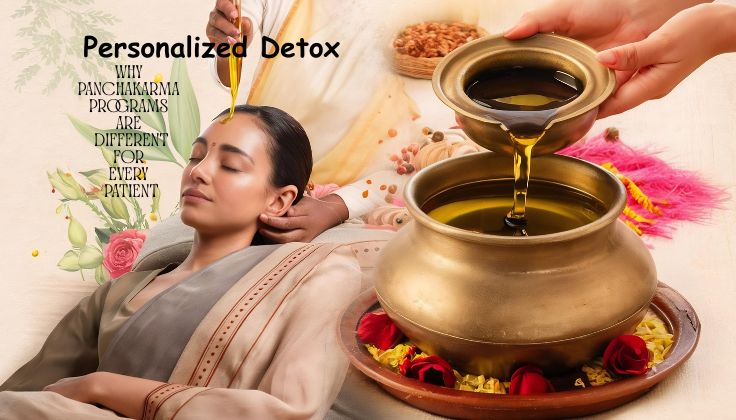
In today’s fast-paced world, detox has become a popular wellness trend. From juice cleanses to restrictive diets, people are constantly trying new methods to reset their bodies. However, Ayurveda offers a far more refined and individualized approach through Panchakarma. Unlike standard detox programs, Panchakarma is deeply personalized, focusing on the unique constitution and health needs of each person.
Ayurheritage, an ayurvedic hospital, Panchakarma Treatment in Dubai is designed as a customized healing journey rather than a fixed routine.
Panchakarma is a classical Ayurvedic detoxification therapy that aims to eliminate toxins, known as ama, from the body while restoring balance to the doshas, Vata, Pitta, and Kapha. It involves five main procedures: Vamana (therapeutic vomiting), Virechana (purgation), Basti (medicated enema), Nasya (nasal cleansing), and Raktamokshana (bloodletting).
While these therapies form the foundation of Panchakarma, what truly makes it effective is how they are selected and adapted for each individual. Ayurveda does not believe in a universal treatment plan; instead, it emphasizes personalization at every stage.
Every individual has a unique biological makeup, referred to as Prakriti in Ayurveda. Along with this, each person experiences imbalances, known as Vikriti, due to lifestyle, diet, stress, and environmental factors. Panchakarma programs are designed after carefully evaluating these aspects.
Factors that influence personalization include body constitution, current health conditions, age, digestive strength, mental state, and even daily habits. This ensures that the detox process is not only effective but also safe and comfortable.
Before beginning Panchakarma, a detailed consultation is conducted by an Ayurvedic practitioner. This involves understanding the patient’s medical history, lifestyle patterns, dietary habits, and emotional well-being. Techniques such as pulse diagnosis, tongue examination, and observation are used to identify imbalances.
For example, a person with a Pitta imbalance experiencing skin issues and acidity will require a completely different approach compared to someone with a Kapha imbalance dealing with weight gain or respiratory concerns. This initial assessment forms the basis for the entire treatment plan.
The preparation phase, known as Purva Karma, plays a crucial role in Panchakarma. It includes Snehana (oleation therapy) and Swedana (sudation therapy). These therapies help loosen toxins and prepare the body for elimination.
The type of oils used, the method of application, and the duration of treatment are all customized. A Vata-dominant individual may require warm, nourishing oils, while a Pitta individual may benefit from cooling herbal oils. Even the intensity of steam therapy is adjusted based on the patient’s tolerance and condition.
Diet during this phase is also personalized to support the detox process without causing stress to the digestive system.
Not all patients undergo the same Panchakarma treatments. The selection of procedures depends entirely on the individual’s diagnosis.
Vamana is generally recommended for Kapha-related disorders such as congestion or asthma. Virechana is used for Pitta-related conditions like skin diseases and liver issues. Basti is particularly effective for Vata imbalances, including joint pain and neurological problems.
Some individuals may require only one therapy, while others may need a combination of treatments over a longer period. The duration, intensity, and sequence are carefully planned to suit the patient’s needs.
The healing process does not end with detoxification. The post-treatment phase, known as Paschat Karma, is equally important and is tailored for each patient.
This phase includes a gradual reintroduction of normal diet, herbal medications, and lifestyle modifications. Specific dietary guidelines are given to restore digestive strength and maintain balance. Patients are also advised on daily routines, sleep patterns, and stress management techniques.
Yoga and meditation practices may be recommended based on the individual’s mental and emotional condition, ensuring a holistic recovery.
Diet is a key component of Panchakarma and is always customized. Each individual receives a meal plan that aligns with their dosha and stage of treatment.
A Vata individual may be given warm, grounding foods such as soups and cooked grains. A Pitta individual may be advised to cool foods with mild spices. A Kapha individual may benefit from lighter, more stimulating meals that aid digestion.
Meal timing, portion size, and preparation methods are all carefully planned to support the body during detoxification.
Ayurveda recognizes that true health goes beyond physical well-being. Emotional and mental health play a significant role in overall balance. Panchakarma programs often include therapies and practices that promote relaxation and mental clarity.
Individuals dealing with stress or anxiety may receive calming treatments, herbal support, and mindfulness practices. The environment and overall experience are designed to create a sense of peace and rejuvenation.
Panchakarma is also influenced by seasonal changes. Ayurveda emphasizes that detoxification should align with nature’s cycles.
Spring is considered ideal for clearing Kapha toxins, while summer focuses on balancing Pitta. Autumn and early winter are suitable for managing Vata imbalances. Treatments are adjusted based on the time of year, adding another layer of personalization.
Many modern detox programs follow a fixed plan for everyone. While they may offer short-term benefits, they often fail to address individual differences. Such approaches can sometimes lead to discomfort or even worsen existing imbalances.
Panchakarma, on the other hand, focuses on identifying and treating the root cause of health issues. Its personalized nature ensures that the detox process supports the body rather than stressing it.
A well-designed Panchakarma program can lead to lasting improvements in health. These include better digestion, improved immunity, enhanced skin health, reduced stress, and increased energy levels.
Because the treatment is tailored to the individual, the results are more sustainable and aligned with their natural constitution.
Panchakarma is not just a detox method but a comprehensive and personalized healing system. Its strength lies in its ability to adapt to each individual, ensuring that every aspect of the treatment is aligned with their unique needs. Ayurheritage, an ayurvedic hospital in Dubai, Panchakarma treatment is carefully structured to deliver this level of personalization, making it far more effective than generic detox programs.
By choosing a personalized Panchakarma approach, individuals can experience deeper healing, long-term balance, and a renewed sense of well-being that goes beyond temporary detox trends


